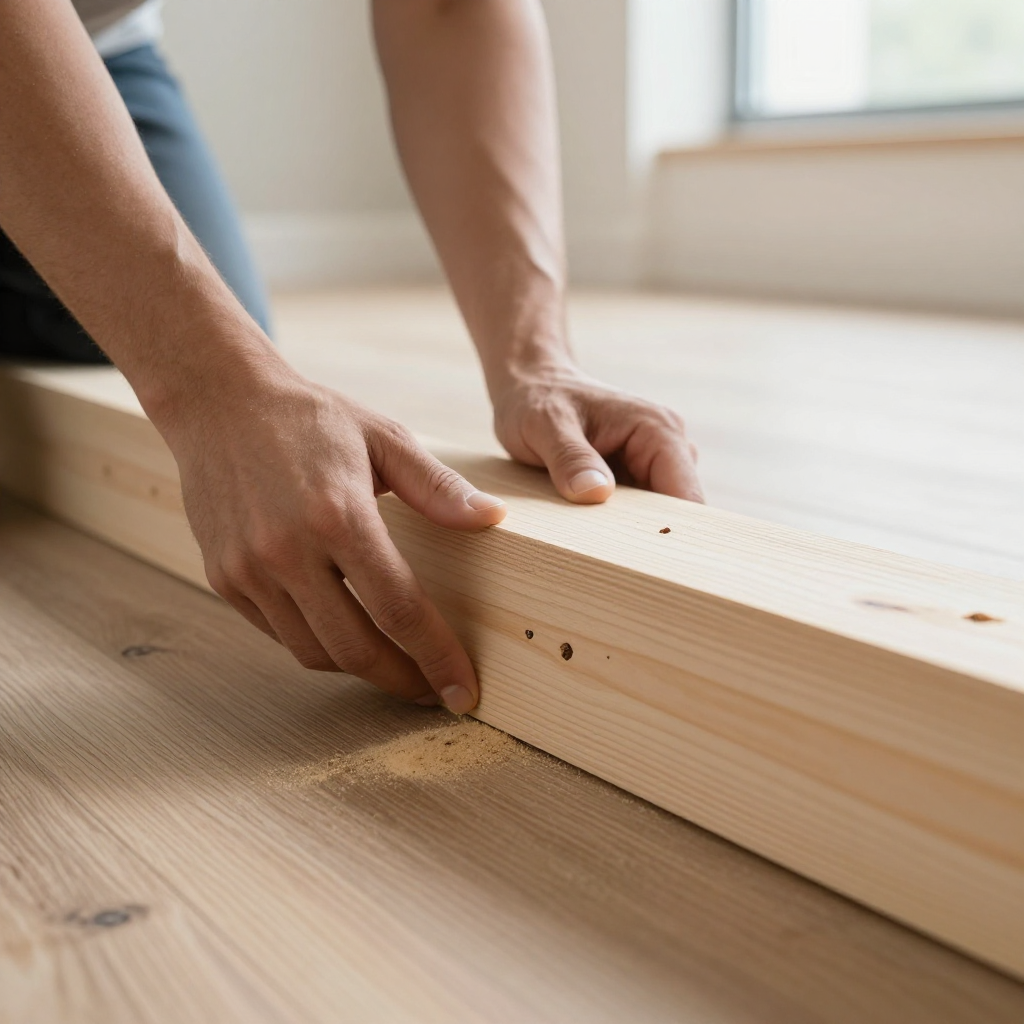
Woodworm infestation is one of the most common problems affecting wooden homes, furniture, floorboards, roof beams, and structural timber. Because woodworm larvae live hidden inside wood, many homeowners do not notice the problem until damage becomes visible. Small holes, powdery dust, or weakened timber may seem minor at first, but delaying treatment can allow infestation to quietly spread.
One of the biggest mistakes homeowners make is assuming woodworm damage can wait. In reality, fast woodworm treatment matters because early action helps prevent further timber damage, costly repairs, and structural weakening.
The good news is that identifying and treating woodworm early often makes treatment easier, less expensive, and more effective.
Many homeowners researching timber care through shashel.eu/ understand that quick action is one of the best ways to protect wooden structures and avoid major repair costs.
In this guide, we will explain why fast woodworm treatment matters, what happens when infestation is ignored, and how homeowners can protect timber early.
What Is Woodworm?
Despite the name:
Woodworm is not actually a worm
Woodworm refers to the larvae of wood-boring beetles.
How Woodworm Develops
Adult beetles lay eggs in:
- Cracks in wood
- Untreated timber
After hatching:
- Larvae tunnel through wood
Eventually:
- Adult beetles emerge through tiny holes
The cycle then repeats.
Because much of the activity stays hidden:
Damage often develops quietly
Woodworm Damage Continues Over Time
One major reason fast treatment matters is:
Woodworm does not stop on its own
What Happens If Left Untreated
Larvae continue feeding inside timber.
Over time:
- Internal damage increases
This may affect:
- Furniture
- Floorboards
- Roof beams
Early action reduces long-term problems.
Fast Treatment Helps Prevent Structural Damage
Woodworm may eventually weaken important timber.
High-Risk Structural Areas Include
- Roof beams
- Ceiling joists
- Floor supports
Why This Matters
Weak timber may affect:
- Stability
- Safety
Protecting structural wood matters.
Small warning signs deserve attention.
Many homeowners exploring timber care through shashel.eu understand that treating woodworm early helps preserve structural strength.
Early Treatment Reduces Repair Costs
Small infestations are usually easier to manage.
Why Delays Become Expensive
Untreated woodworm may lead to:
- More timber damage
- Larger repairs
Benefits of Fast Action
Early treatment may help preserve:
- Existing timber
Protecting wood early saves money.
Prevention works best.
Woodworm Can Spread to Nearby Timber
Woodworm infestation may gradually spread.
How This Happens
Adult beetles may lay eggs in:
- Nearby furniture
- Floorboards
- Wooden walls
Why Fast Action Helps
Quick treatment helps stop:
- Future infestation cycles
Stopping spread matters.
Healthy timber lasts longer.
Hidden Damage Often Gets Worse Quietly
One challenge with woodworm is:
Much of the damage stays hidden
Why This Is Risky
Wood may appear normal outside while weakening internally.
Warning Signs Include
- Tiny holes
- Powdery dust
- Weak wood
Fast inspection improves outcomes.
Never ignore warning signs.
Moisture Often Increases Risk
Woodworm commonly prefers damp timber.
Why Dampness Matters
Soft wood becomes easier to damage.
Common Moisture Sources Include
- Roof leaks
- Pipe leaks
- Condensation
Dry timber naturally discourages infestation.
Healthy homes stay drier.
Many homeowners researching timber care through shashel.eu understand that fixing moisture problems improves long-term woodworm prevention.
Fast Treatment Protects Furniture
Woodworm often affects valuable furniture.
High-Risk Wooden Items Include
- Antique cabinets
- Tables
- Decorative wood
Why Early Action Matters
Treating infestation quickly may help preserve:
- Original wood
Protecting furniture saves money.
Healthy timber matters.
Faster Treatment Means Better Results
Small infestations often respond better to treatment.
Why Timing Matters
Less damage usually means:
- Easier treatment
Benefits Include
- Better timber preservation
Early care improves long-term outcomes.
Consistency matters.
Modern Treatment Methods Improve Protection
Modern woodworm treatment continues improving.
Common Solutions Include
- Heat treatment
- Microwave treatment
These methods may help eliminate:
- Eggs
- Larvae
- Hidden pests
Deep treatment improves effectiveness.
Professional advice improves outcomes.
Common Mistakes Homeowners Make
Waiting Too Long
Small problems spread quietly.
Ignoring Tiny Holes
Early warning signs matter.
Treating Only Visible Damage
Hidden infestation may remain.
Ignoring Moisture Problems
Damp wood attracts pests.
Routine care improves protection.
Long-Term Prevention Tips
Inspect Timber Regularly
Routine checks catch problems early.
Keep Wood Dry
Dry wood discourages woodworm.
Improve Ventilation
Healthy airflow matters.
Repair Leaks Quickly
Moisture increases infestation risk.
Consistency protects timber.
Conclusion
Fast woodworm treatment matters because early action helps stop infestation before serious damage develops. Since woodworm larvae continue feeding inside timber over time, delaying treatment may lead to weakened structures, damaged furniture, larger repair costs, and spreading infestation.
Recognizing warning signs such as tiny holes, powdery dust, weak timber, and moisture problems allows homeowners to act before damage becomes severe.