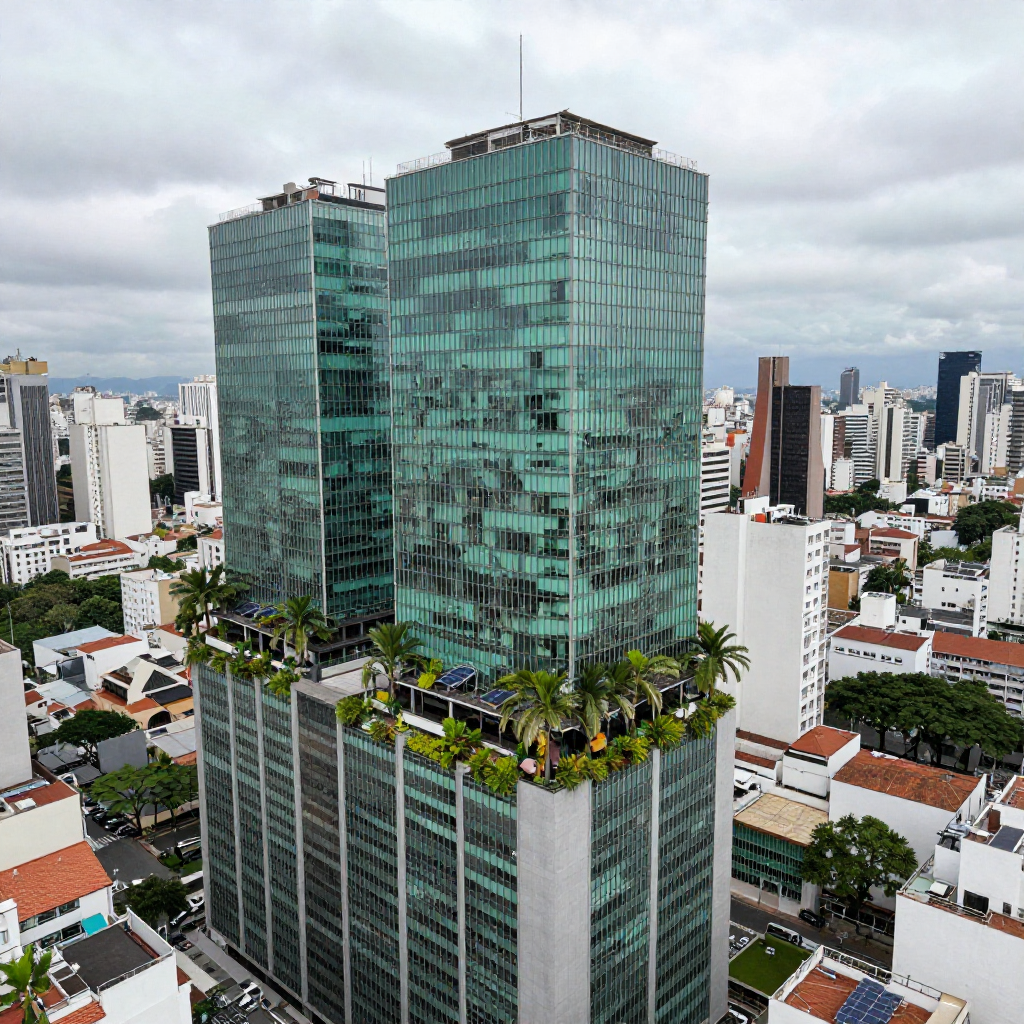
Indonesia’s construction and real estate sectors are increasingly adopting sustainable practices to meet global environmental standards. LEED (Leadership in Energy and Environmental Design) certification provides an internationally recognized framework for green buildings, focusing on energy efficiency, water conservation, indoor environmental quality, and sustainable material use. LEED consultants in Indonesia offer technical guidance and strategic support to developers, architects, and facility managers, helping them achieve certification from planning to verification.
1. ERKE Consultancy
ERKE Consultancy, established in 2007 with offices in Istanbul, Dubai, and London, offers global expertise in LEED, WELL, BREEAM, and EDGE certifications. Their team includes LEED Fellows, LEED APs, and sustainability experts.
In Indonesia, ERKE provides end-to-end LEED consulting services for commercial buildings, hospitals, factories, and airports. Their services include energy and water efficiency analysis, indoor environmental quality assessments, sustainable material guidance, and complete LEED certification management, ensuring compliance with international standards and local regulations.
2. ARUP
ARUP, founded in 1946, is a multinational engineering and consulting firm with a strong focus on sustainability and building performance.
For Indonesian LEED projects, ARUP offers energy optimization, lifecycle assessment, operational efficiency planning, and documentation support. They have been involved in commercial, hospitality, and educational projects across Southeast Asia.
3. WSP Global
WSP Global, headquartered in Canada with operations in over 50 countries, including Indonesia, provides engineering, environmental, and sustainability consulting.
Their LEED consulting services include energy modeling, sustainable site planning, indoor environmental quality improvements, and preparation of certification documentation. WSP helps developers implement strategies that maximize building performance and achieve LEED certification efficiently.
4. Khatib & Alami
Khatib & Alami, founded in 1959 and based in Lebanon, provides multidisciplinary architecture, engineering, and sustainability consultancy.
In Indonesia, they assist LEED projects through energy and water efficiency strategies, sustainable material selection, and certification documentation. Their consultancy covers both new construction and retrofit projects.
5. Ramboll
Ramboll, Denmark-based and founded in 1945, delivers global consultancy services in buildings, infrastructure, and environmental projects.
For LEED projects in Indonesia, Ramboll offers environmental performance assessments, energy and water optimization, and certification management. Their expertise spans commercial, healthcare, and educational facilities aiming for sustainable design recognition.
6. Linesight
Linesight, founded in Ireland in 1976, is a global construction consultancy specializing in project management, cost management, and sustainability advisory services.
In Indonesia, Linesight supports LEED projects by coordinating sustainability strategies, managing certification documentation, and integrating green building measures into project schedules and budgets.
7. AtkinsRéalis
AtkinsRéalis, formerly SNC-Lavalin, is a Canadian-based engineering and project management consultancy with worldwide operations.
Their LEED consultancy in Indonesia focuses on energy system design, operational sustainability planning, and environmental performance improvement for both new and existing buildings.
Summary
LEED certification in Indonesia requires expertise in energy efficiency, water management, indoor environmental quality, and sustainable materials. Leading consultancies providing LEED services include:
- ERKE Consultancy
- ARUP
- WSP Global
- Khatib & Alami
- Ramboll
- Linesight
- AtkinsRéalis
These consultancies guide developers, architects, and building owners through sustainable design strategies, environmental assessments, and LEED certification processes. Selecting the right consultancy depends on project type, building scale, sustainability objectives, and targeted certification level.