
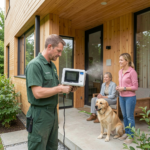

Wooden homes are valued for their natural beauty, durability, and energy efficiency. From traditional log cabins and timber-frame houses to modern wooden homes, timber remains one of the most sustainable building materials available. However, wood can also attract a variety of pests if it is not properly maintained. Wood-boring beetles, termites in some regions, carpenter ants, rodents, and other insects can all threaten the condition of a wooden property.
The good news is that most pest problems can be prevented through regular maintenance, moisture control, and routine inspections. Rather than focusing on a single pest, homeowners should adopt a comprehensive prevention strategy that protects the entire structure throughout the year.
In this guide, you’ll learn how to safeguard your wooden home from multiple pest types while preserving the strength and appearance of its timber.
Understand the Most Common Wood Pests
Different pests affect wood in different ways.
Some of the most common include:
- Wood-boring beetles (woodworm)
- Drywood termites (in affected regions)
- Subterranean termites
- Carpenter ants
- Carpenter bees
- Rodents nesting in timber structures
Each pest requires a different management approach, making accurate identification important.
Control Moisture
Moisture is one of the biggest factors contributing to timber deterioration.
Although not every wood-damaging pest requires damp wood, excess moisture can encourage mold, fungal decay, and make timber more attractive to certain wood-boring beetle species.
Reduce moisture by:
- Repairing roof leaks promptly.
- Fixing plumbing leaks.
- Maintaining gutters and downpipes.
- Improving site drainage.
- Preventing standing water.
Keeping timber dry significantly improves its long-term durability.
Improve Ventilation
Good airflow helps reduce humidity and moisture buildup.
Pay particular attention to:
- Attics
- Roof spaces
- Crawl spaces
- Basements
- Storage areas
Proper ventilation helps create an environment that is less favorable for moisture-related problems.
Inspect Wooden Structures Regularly
Routine inspections allow pest activity to be detected before major damage occurs.
Inspect:
- Roof beams
- Floor joists
- Wall framing
- Window frames
- Door frames
- Decks
- Pergolas
- Wooden fences
Look for:
- Small exit holes
- Fine wood dust (frass)
- Mud tubes
- Hollow wood
- Surface cracks
- Signs of insect activity
Early detection often reduces repair costs.
Protect Exterior Timber
Exterior wood is constantly exposed to changing weather conditions.
Protect it by applying suitable:
- Wood sealants
- Exterior stains
- Protective coatings
- Water-repellent finishes
Maintain these finishes according to the manufacturer’s recommendations.
Eliminate Wood-to-Soil Contact
Direct contact between timber and soil increases the likelihood of moisture problems and may encourage termite activity in areas where termites are present.
Where possible:
- Raise wooden structures above soil level.
- Use appropriate supports.
- Keep mulch away from wooden siding.
- Store timber off the ground.
These measures help protect structural wood.
Keep the Property Clean
Good housekeeping discourages many household pests.
Regularly:
- Remove dead branches.
- Clear leaf litter.
- Store firewood away from the house.
- Clean gutters.
- Trim vegetation touching the building.
A clean exterior reduces hiding places for insects and rodents.
Seal Entry Points
Small openings provide access for insects and rodents.
Inspect and seal:
- Gaps around windows
- Door frames
- Utility pipe openings
- Foundation cracks
- Roof penetrations
Sealing entry points improves overall pest prevention.
Monitor Indoor Humidity
Excess humidity encourages mold and may contribute to conditions that favor some wood-boring beetles.
Helpful practices include:
- Using a hygrometer.
- Running a dehumidifier when necessary.
- Increasing airflow.
- Drying wet areas promptly.
Balanced humidity helps preserve wooden structures.
Store Wooden Materials Properly
If you store lumber or firewood:
- Keep it elevated above the ground.
- Protect it from rain.
- Allow good airflow.
- Inspect it regularly for signs of insects.
Proper storage reduces the likelihood of introducing pests near the home.
Modern Woodworm Treatment Options
If an active woodworm infestation is confirmed, treatment depends on:
- Beetle species
- Severity of infestation
- Structural condition
- Accessibility
Professional options include approved chemical treatments and modern heat-based technologies.
Microwave Woodworm Treatment
One increasingly popular chemical-free option is microwave woodworm treatment.
Professional microwave equipment uses dielectric heating to generate controlled heat inside timber.
The treatment is designed to eliminate:
- Woodworm larvae
- Beetle eggs
- Pupae
- Adult wood-boring beetles
Benefits
- Chemical-free
- No pesticide residues
- Localized treatment
- Environmentally responsible
- Suitable for many heritage buildings
- Helps preserve original structural timber
Microwave treatment is specifically intended for suitable wood-boring beetle infestations. Other pests, such as termites or carpenter ants, generally require different treatment methods.
Year-Round Pest Prevention Checklist
Protect your wooden home by:
- Inspecting timber annually.
- Repairing leaks immediately.
- Improving ventilation.
- Monitoring indoor humidity.
- Sealing exterior gaps.
- Maintaining protective wood finishes.
- Keeping gutters clean.
- Storing firewood away from the house.
Consistent maintenance is the most effective long-term strategy.
Pest Prevention vs. Pest Treatment
| Pest Prevention | Pest Treatment |
|---|---|
| Focuses on avoiding infestations | Addresses active pest problems |
| Includes moisture control and inspections | Uses pest-specific treatment methods |
| Reduces long-term repair costs | Stops existing infestations |
| Protects structural timber | Prevents further damage after infestation |
| Supports long-term building maintenance | Often combined with preventive measures |
Both prevention and treatment are important parts of protecting a wooden home.
Common Mistakes to Avoid
Avoid these common errors:
- Ignoring small signs of insect activity.
- Allowing water to accumulate around the property.
- Delaying roof or plumbing repairs.
- Storing firewood against exterior walls.
- Neglecting annual timber inspections.
Small maintenance tasks can prevent expensive structural repairs.
Common Myths About Wooden House Pests
Myth 1: Only Old Wooden Homes Get Pest Infestations
Fact: Both new and older wooden homes can experience pest problems if suitable conditions exist.
Myth 2: All Wood Pests Require Damp Timber
Fact: Some pests, such as drywood termites, can infest dry wood, while others are more commonly associated with elevated moisture levels.
Myth 3: One Treatment Protects Against Every Pest
Fact: Different pests require different treatment methods. Correct identification is essential for choosing the most effective solution.
Conclusion
Protecting a wooden house from multiple pest types requires a proactive approach rather than waiting for visible damage to appear. Moisture control, proper ventilation, regular inspections, protective wood finishes, and good housekeeping all work together to reduce the likelihood of infestations and preserve the strength of timber structures.
By understanding the different pests that can affect wooden homes and following a consistent maintenance routine, homeowners can greatly reduce the risk of costly repairs. If an active woodworm infestation is discovered, modern solutions such as microwave woodworm treatment provide a targeted, chemical-free option for protecting valuable timber. Combined with year-round preventive care, these practices help ensure that wooden homes remain safe, durable, and beautiful for generations.Visit https://www.shashel.eu online for more details.